
4 July 2026
Mitochondria are often called the body's "cellular powerhouses" — they generate the energy that organs, tissues, and biological systems need to function. For years, mitochondrial biology sat mostly in specialist research circles. That's changing.
At the Global Mitochondrial Health Summit 2026, clinicians and researchers from cardiology, reproductive health, women's health, complementary medicine, pharmacy, and nutrition converged on a shared theme: the future of healthcare will increasingly be shaped by our understanding of sub-cellular health — in other words, looking "upstream" to the cellular mechanisms that influence everything from energy levels to healthy ageing.
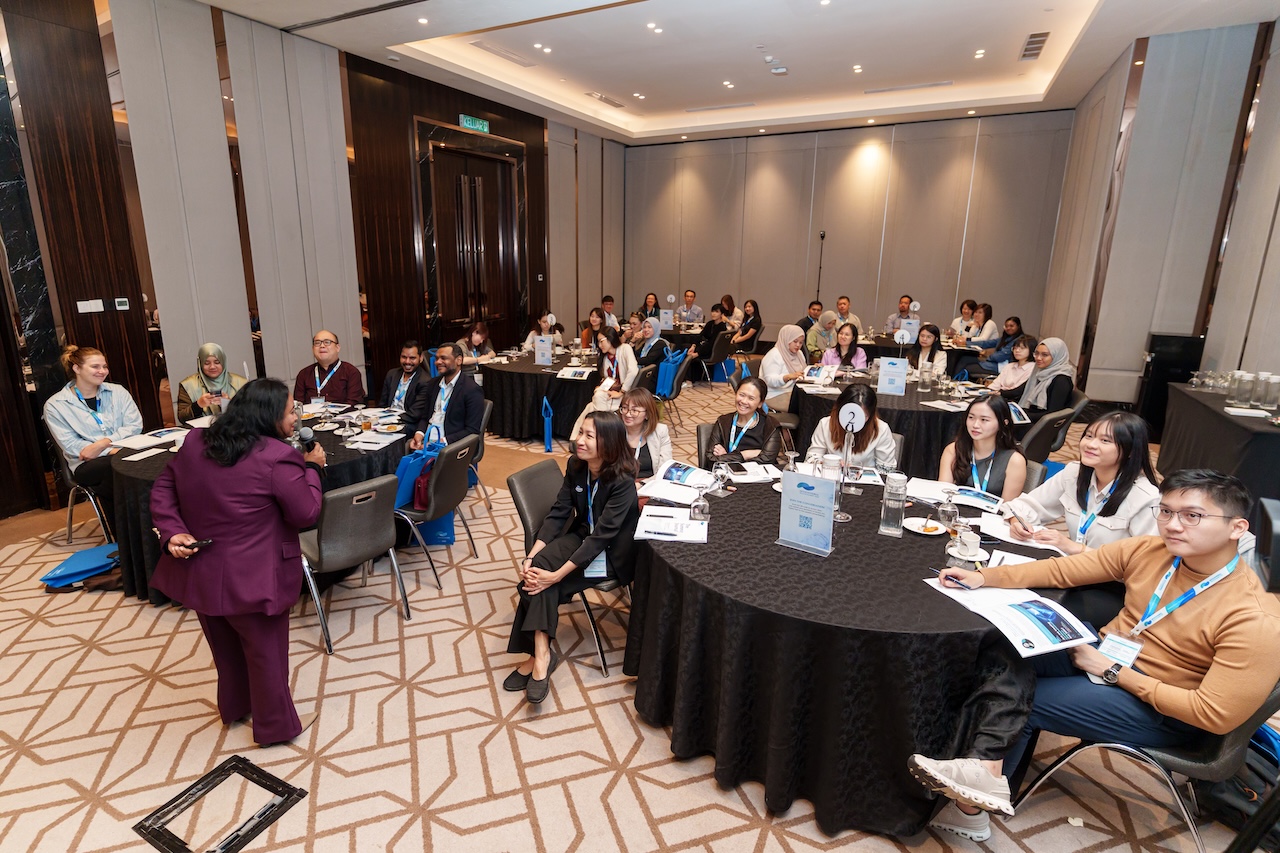
The Summit's main event took place in Sydney on 26 June 2026, with a linked satellite event in Kuala Lumpur running at the same time. Together, the two events attracted more than 250 delegates spanning several healthcare disciplines.
The faculty included a multidisciplinary line-up of experts: Dr Olivia Lesslar, Dr Ross Walker, Dr Christabelle Yeoh, Dr Denise Furness PhD, Dr Leah Hechtman PhD, Rhiannon Hardingham, Gerald Quigley, Bobby Mehta, and Prof. Dr Mogana Sundari Rajagopal.
1. The "upstream shift" in healthcare Across cardiology, women's health, reproductive health, and healthy ageing, presenters kept returning to the same idea: mitochondrial function may be foundational to multiple areas of health. Ongoing research is exploring how mitochondrial biology connects to broader physiological pathways — and what that could mean for clinical practice.
2. The gut-mitochondria axis Preliminary evidence discussed at the Summit points to a communication pathway between the gut microbiome and mitochondrial function, with possible implications for metabolic health, immune regulation, inflammation, and energy production. This is an emerging area, and researchers describe the evidence as preliminary rather than conclusive.
3. The rise of "mitoceuticals" Nutrients that support mitochondrial energy production — including Ubiquinol — were positioned as foundational to healthspan strategies. The Summit's sponsor argues this category, dubbed "mitoceuticals," is set to become one of the defining conversations in healthcare over the next decade.
Ubiquinol is a naturally occurring, lipid-soluble antioxidant that the body produces itself. It's linked to reducing cellular damage and is discussed in relation to several areas of health across the lifespan — including cardiovascular health, cognition, women's health, reproductive health, and general energy levels.
One detail driving interest in supplementation: natural Ubiquinol levels in the body decline from around age 20 onward, which is part of why researchers are looking more closely at its role in ageing and long-term wellness.
Kaneka Corporation, the Summit's underwriting sponsor, is described as the sole global manufacturer of clinically researched bioidentical Ubiquinol, produced through a proprietary Japanese natural fermentation process. The company's Ubiquinol is backed by more than 100 scientific studies and 80 patents accumulated over 45+ years, and its Ubiquinol ingredient is listed in over 50 countries across more than 1,000 nutraceutical brands.
The Summit also marked a career milestone: Dr Kazunori Hosoe PhD, Chief Scientist at Kaneka Ubiquinol™, received the Lifetime Scientific Excellence in Ubiquinol Research award, recognising more than 50 years of research into CoQ10 and Ubiquinol. His work is credited with helping build the scientific foundation that continues to inform mitochondrial research and clinical practice today.
Mitochondrial health is moving from a niche research topic toward a mainstream healthcare conversation, particularly as interest in healthspan (not just lifespan) grows worldwide. Whether the "mitoceuticals" framing takes hold as a lasting category will depend on how the research base develops — but the multidisciplinary turnout at this first Summit suggests clinicians are already paying attention.
What is mitochondrial health? Mitochondrial health refers to how well mitochondria — the structures inside cells that produce energy — are functioning. It's increasingly linked by researchers to energy levels, cardiovascular health, cognition, reproductive health, and healthy ageing.
What is Ubiquinol? Ubiquinol is a naturally occurring, lipid-soluble antioxidant made by the body. It plays a role in cellular energy production and is studied for its potential support of cardiovascular health, cognition, women's health, and general wellbeing across life stages.
At what age does Ubiquinol start to decline in the body? According to researchers presenting at the Global Mitochondrial Health Summit 2026, natural Ubiquinol levels begin declining from around age 20.
What is the Global Mitochondrial Health Summit? It's an international healthcare professional education platform focused on advancing scientific understanding and clinical application of mitochondrial health, cellular health, and healthy ageing. Its inaugural event was held in Sydney and Kuala Lumpur on 26 June 2026.
What are "mitoceuticals"? "Mitoceuticals" is a term used to describe nutrients — such as Ubiquinol — that specifically target mitochondrial energy production and are positioned as foundational to healthspan and healthy ageing strategies.
Who sponsored the Global Mitochondrial Health Summit 2026? Kaneka Ubiquinol™ was the underwriting sponsor of the Summit.
Content note: All speakers at the Summit declared receipt of an honorarium from Kaneka Ubiquinol™ APAC for preparing and delivering their presentations. Presentation content is described as the speakers' own independent work, developed without commercial influence.

Malaysian Dietary Supplement Association
Tower Level 3, Axis, 2, Jalan 51a/223, Seksyen 51a, 46100 Petaling Jaya, Selangor.
+6017-885-9156
info@madsa.org.my
©2026 MADSA. All rights reserved.